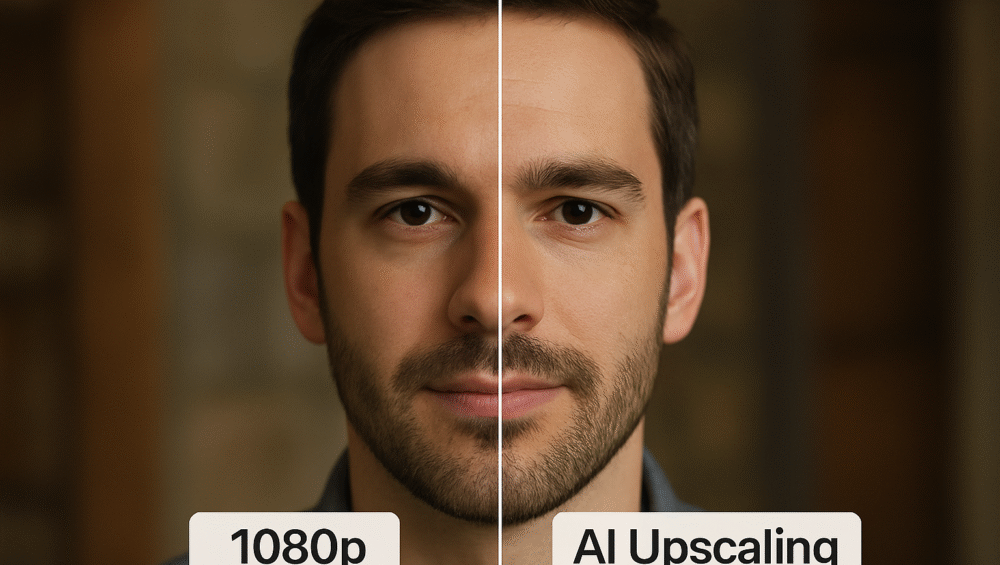
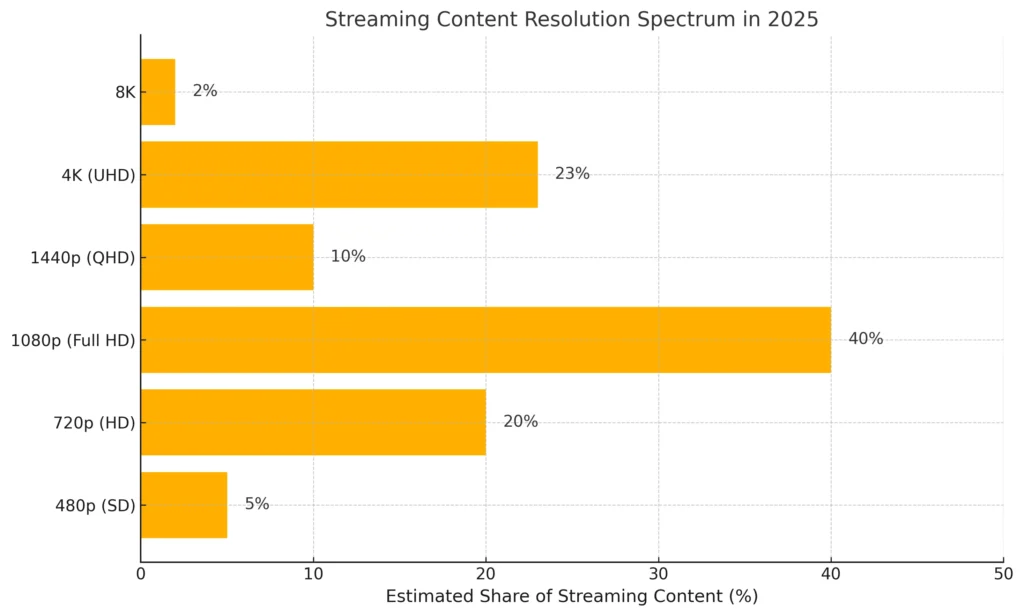
With 4K TVs now mainstream, more viewers are realizing that not all content appears equally sharp or detailed. While native 4K content looks stunning, most streaming shows and older videos still run in HD or lower resolutions. This is where AI upscaling for 4K comes in — a breakthrough technology that enhances non-4K content and makes it appear crisp, vibrant, and lifelike on ultra-high-definition screens.
Unlike traditional upscaling, which simply stretches pixels, AI upscaling for 4K analyzes scenes in real time to restore missing detail. It sharpens edges, refines textures, and adds depth, turning everyday HD footage into something that feels genuinely cinematic.
In this blog, we’ll explain what AI upscaling for 4K actually is, how it differs from older methods, and which devices in 2025 deliver the best results. We’ll also discuss whether this technology is truly essential for streaming, gaming, or movie nights in your home theater.
How AI Upscaling for 4K Works
AI upscaling for 4K uses advanced machine learning to restore detail when converting lower-resolution content into ultra-high definition. Unlike traditional upscaling, which relies on basic pixel stretching, AI-driven processing uses neural networks trained on millions of high-resolution images.
Step-by-Step Process:
The AI engine analyzes each frame and compares the low-resolution input to its large high-resolution dataset.
It then predicts and fills in missing pixels, adding realistic detail that wasn’t present in the original footage.
The outcome is sharper edges, cleaner textures, and enhanced contrast, making HD or 720p content look remarkably close to true 4K.
Through this intelligent reconstruction, AI upscaling for 4K delivers visuals that feel crisp, natural, and incredibly lifelike — even when the source video isn’t native 4K.
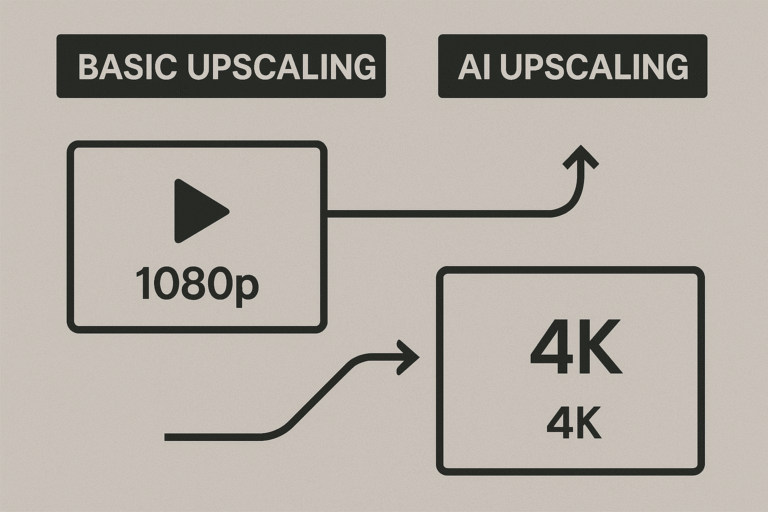
AI Upscaling vs Standard Upscaling
To understand the benefits of AI upscaling for 4K, it helps to compare it directly with traditional upscaling methods. While standard upscaling simply stretches pixels, AI models analyze image patterns to restore natural detail and texture.
| Feature | Traditional Upscaling | AI Upscaling |
|---|---|---|
| Method | Pixel duplication or interpolation | Neural network prediction and image learning |
| Sharpness | Moderate | High and adaptive |
| Texture Restoration | Poor | Excellent, with lifelike results |
| Detail in Faces/Text | Blurry | Clear, crisp, and realistic |
💡 Insight:
The biggest difference lies in how each approach handles data. AI upscaling for 4K doesn’t just resize — it reconstructs, creating images that look authentic and naturally enhanced on modern 4K displays.

Key Technologies Behind AI Upscaling
Modern AI upscaling for 4K relies on several deep learning techniques that work together to enhance every frame with precision and realism. Unlike older systems, these intelligent engines continue learning and improving over time for even better results.
Deep Learning: Uses previously learned visual patterns from large image datasets to predict fine details accurately.
Frame-by-Frame Analysis: Each frame is optimized in real time, maintaining sharpness and consistent image quality.
Adaptable Logic: The system learns and evolves through firmware updates, refining image clarity and reducing artifacts.
Content-Specific Tuning: Differentiates between faces, backgrounds, and motion, adjusting image parameters based on what’s on-screen.
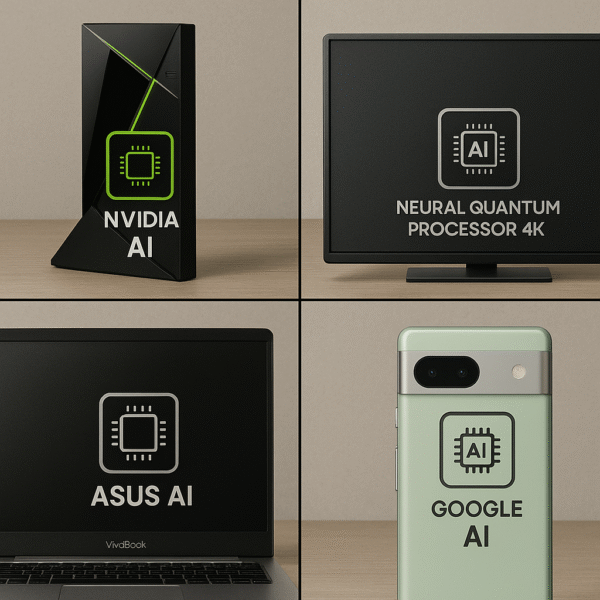
Devices like the NVIDIA Shield TV Pro, Samsung Neo QLED TVs, and Sony Bravia XR processors all use AI upscaling for 4K to tailor image quality for movies, sports, and animation, delivering visuals that feel lifelike on any display.
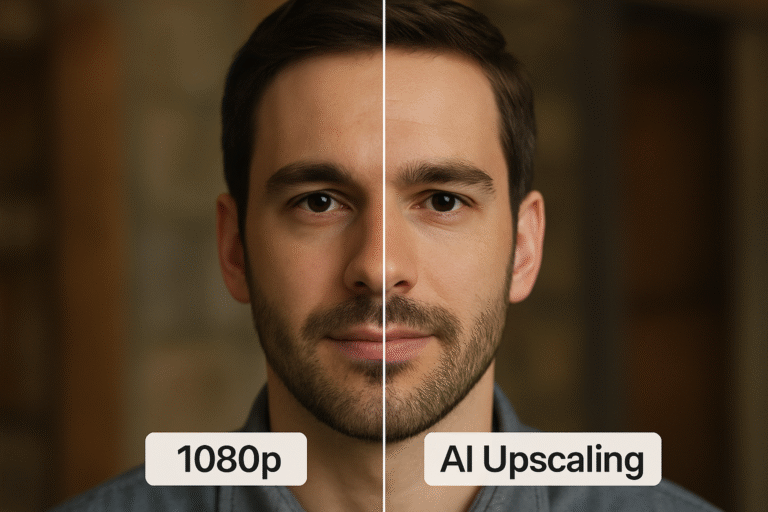
Do You Really Need AI Upscaling?
If you watch any of the following content, the answer is almost always yes — you’ll benefit from AI upscaling for 4K.
HD content on platforms like YouTube or Netflix.
Cable TV channels, which usually broadcast in 720p to 1080i.
Older DVDs or Blu-rays that predate native 4K releases.
Retro games or emulated content from classic consoles.
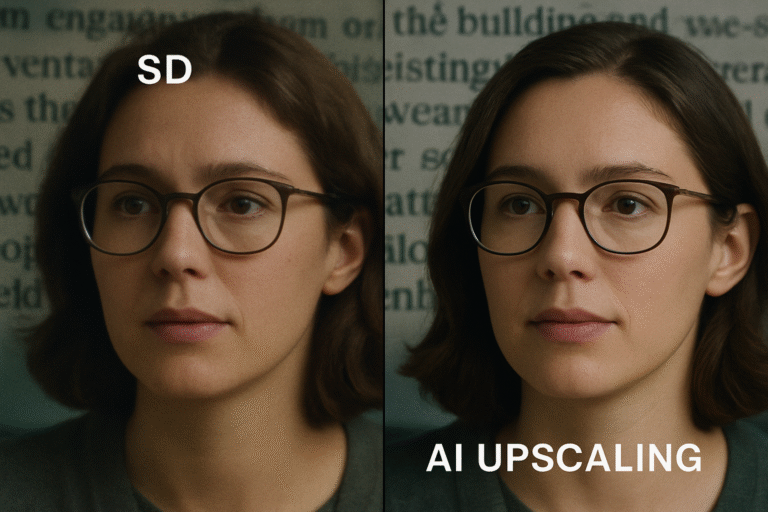
Without AI upscaling for 4K, these sources can appear stretched, soft, or fuzzy, especially on modern 65-inch and larger TVs. AI-driven enhancement restores sharpness, texture, and depth, preserving facial detail, on-screen text, and motion clarity — making older content look stunningly natural on today’s high-resolution displays.
When AI Upscaling Isn’t Necessary
There are times when AI upscaling for 4K offers little to no improvement — mainly when your content is already ultra-high-definition.
Watching native 4K content such as UHD Blu-rays or Netflix 4K Originals.
Gaming on PS5 or Xbox Series X at true 4K resolution.
Streaming 4K HDR content over fiber internet or HDMI 2.1 connections.
In these cases, AI upscaling for 4K won’t add extra sharpness because the image already contains full detail. However, most users stream or play a mix of resolutions, where AI enhancement becomes a valuable feature. It ensures consistent clarity across every type of content — from classic HD shows to modern 4K blockbusters.
Best Devices for AI Upscaling in 2025
When it comes to AI upscaling for 4K, several top-performing devices stand out in both quality and versatility. Each one offers unique strengths tailored to different viewing needs — from streaming and gaming to cinematic movie watching.
1. NVIDIA Shield TV Pro
Powered by the Tegra X1+ processor, this device delivers exceptional AI-enhanced upscaling for 4K.
Works across Netflix, YouTube, Plex, and local media servers.
Ideal for streamers and retro gamers who want improved clarity and sharpness on older content.
2. Samsung Neo QLED QN90C
The Neural Quantum Processor 4K brings smart scene detection and noise reduction for lifelike results.
Performs real-time optimization across movies, sports, and YouTube videos.
One of the most advanced built-in AI upscaling for 4K engines available.
3. Sony Bravia XR A95L OLED
Equipped with Cognitive Processor XR and XR 4K Upscaling, this model mimics human perception for pinpoint detail.
Recognizes faces and motion to deliver balanced sharpness and depth.
Perfect for film lovers seeking cinematic accuracy in AI upscaling for 4K playback.
4. LG G3 OLED evo
Driven by the Alpha 9 Gen6 AI Processor, this TV provides content-specific tuning for every genre.
Optimized for movies, animation, and sports, with minimal motion blur.
A top-tier choice for consistent, natural-looking AI upscaling for 4K across all streaming platforms.
How It Benefits Gamers and Streamers
AI upscaling for 4K isn’t just for movies — it can dramatically improve gaming visuals, especially for retro and indie titles.
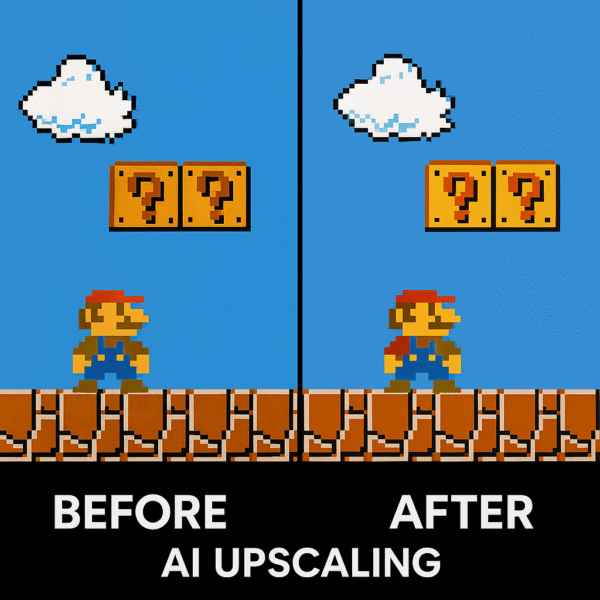
Retro games on emulators gain near-HD polish, restoring texture and clarity without losing their nostalgic charm.
Indie games and YouTube game streams look smoother and sharper, enhancing small details often lost in lower resolutions.
Upscaling also reduces bandwidth needs, since lower-res streams can appear crisp without true 4K data.
The NVIDIA Shield TV Pro supports both emulators and AI upscaling natively, making it a perfect all-in-one device for gaming enthusiasts.
For players who love classic titles or streaming modern indie hits, AI upscaling for 4K makes every frame feel refreshed and visually rich.
Conclusion: Should You Choose a TV or Box with AI Upscaling?
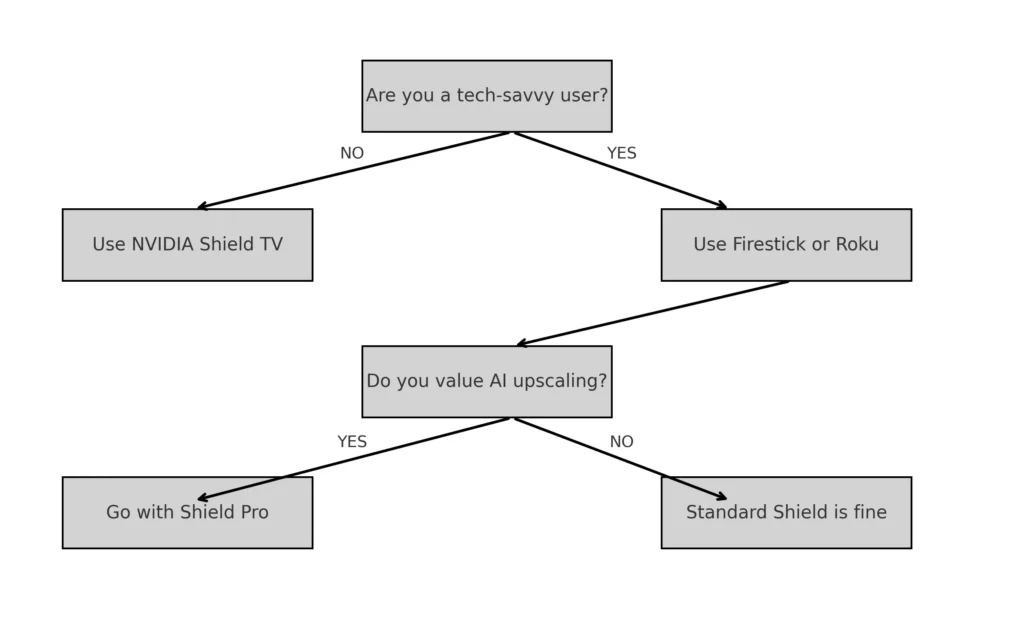
Whether AI upscaling for 4K is essential depends on your viewing habits and the type of content you enjoy most.
YES — You’ll Benefit If:
You stream mostly non-4K content from YouTube, Netflix, or older platforms.
You play retro games or emulated titles that run below native 4K resolution.
You frequently watch HD Netflix, cable TV, or archived content.
You sit close to a large 4K screen, where image flaws are more noticeable.
NO — You Can Skip It If:
Your setup already plays pure native 4K HDR content most of the time.
You use HDMI passthrough devices, UHD Blu-rays, or dedicated upscaling players that handle conversion internally.
💡 Summary:
For the vast majority of households mixing HD and 4K content, AI upscaling for 4K adds real visual value. It ensures everything — from classic games to streaming videos — looks consistently sharp, detailed, and true to life.