
In the ever-evolving world of streaming, choosing the right device is no longer just about watching Netflix—it’s about smart home integration, voice control, audio quality, and the long-term experience. As of 2025, the debate between Apple TV 4K vs Roku Ultra has become one of the most talked-about comparisons among home entertainment enthusiasts.
Both devices deliver exceptional 4K streaming performance, but each brings unique strengths to the table. In this guide, we’ll explore how Apple TV 4K vs Roku Ultra stack up in terms of content quality, ecosystem integration, voice assistant support, and smart home functionality—helping you decide which one truly fits your lifestyle.
Apple TV 4K vs Roku Ultra: Key Feature Comparison
To make an informed choice between Apple TV 4K vs Roku Ultra, it’s essential to look beyond streaming quality and focus on what truly defines the 2025 experience—ecosystem, smart home integration, and audio performance. Below is a detailed feature comparison to help you decide which device best fits your entertainment and automation needs.
| Feature | Apple TV 4K (3rd Gen) | Roku Ultra (2025 Edition) |
|---|---|---|
| Price Range | ~$129 | ~$99 |
| Max Resolution | 4K HDR, Dolby Vision | 4K HDR, Dolby Vision |
| Audio | Dolby Atmos, Lossless Audio | Dolby Atmos |
| Voice Assistant | Siri | Alexa, Google Assistant |
| Smart Home Integration | HomeKit, Matter, Thread | Alexa, Google Home |
| OS Experience | tvOS 17 | Roku OS |
| App Store | Full Apple App Store | Roku Channel Store |
When comparing Apple TV 4K vs Roku Ultra, both excel in streaming quality, but Apple’s tvOS offers deeper integration with the smart home ecosystem, while Roku provides a more affordable, platform-neutral experience ideal for multi-assistant households.

Picture and Audio Performance
When it comes to Apple TV 4K vs Roku Ultra, both deliver outstanding 4K HDR streaming with Dolby Vision and Dolby Atmos support. However, Apple’s attention to technical precision gives it a clear edge for users who value professional-grade video and audio quality.
Why Apple TV 4K Excels:
Higher Bitrate Playback: Streams content with superior compression efficiency, resulting in clearer details and fewer artifacts.
Frame Rate & Dynamic Range Matching: Automatically adjusts playback to match original source settings for smoother motion and accurate color reproduction.
Lossless & Spatial Audio Support: When paired with AirPods Pro or AirPods Max, users can enjoy immersive Spatial Audio and lossless sound fidelity unmatched by most competitors.
In contrast, the Roku Ultra performs admirably for casual viewers, offering vibrant HDR visuals and Dolby Atmos audio. However, it lacks Apple’s fine-grained calibration tools and advanced video optimization settings.
For enthusiasts who obsess over precision, realism, and perfect tone mapping, Apple TV 4K remains the clear winner in this round of Apple TV 4K vs Roku Ultra.

Smart Home Integration: Apple TV 4K vs Roku Ultra
When comparing Apple TV 4K vs Roku Ultra, smart home integration is where Apple takes a commanding lead. The Apple TV 4K isn’t just a streaming device—it’s a certified HomeKit hub with full Matter and Thread support, allowing it to connect seamlessly with the next generation of smart home devices.
Apple TV 4K Advantages:
Acts as a HomeKit hub for remote automation and secure device management.
Supports Matter and Thread, ensuring compatibility with both current and future smart devices.
Integrates perfectly with HomePods, iPhones, iPads, and other Apple products for unified voice and app control.
Meanwhile, the Roku Ultra functions well within Alexa and Google Assistant ecosystems, offering solid cross-platform convenience. However, it lacks native Matter support, limiting its role in advanced automation and multi-device coordination.
🏆 Winner: Apple TV 4K — the ultimate choice for users with HomePods, iPhones, or other HomeKit-compatible devices, providing the most reliable and future-ready smart home integration experience.

Software Experience: Apple TV 4K vs Roku Ultra
The biggest difference between Apple TV 4K vs Roku Ultra lies in their operating systems. With tvOS 17, Apple offers a premium, ad-free environment that feels as refined as the rest of its ecosystem, while Roku OS focuses on simplicity and affordability at the cost of advanced functionality.
tvOS 17 Highlights:
Customizable Control Center: Easily access apps, profiles, and connected devices with a single swipe.
App Switching Like iOS: Navigate between apps seamlessly—no lag or forced reloads.
Multiview for Sports: Watch multiple live games side-by-side with real-time score updates.
Native Fitness & Gaming Integration: Built-in support for Apple Fitness+ and Apple Arcade makes it a hub for wellness and entertainment.
Roku OS Overview:
Simple and Fast Interface: Prioritizes usability with quick access to major apps.
Ad-Supported Experience: Home screen and menus display ads, which can feel intrusive.
Limited Advanced Features: Lacks deep multitasking, ecosystem-level gaming, and automation options.
When comparing Apple TV 4K vs Roku Ultra, Apple’s tvOS 17 offers a smoother, more intelligent user experience—ideal for those who value polish and integration—while Roku appeals to budget-minded users who prefer simplicity over sophistication.

Performance & Gaming
In the Apple TV 4K vs Roku Ultra showdown, performance is another area where Apple pulls ahead—especially for users who care about speed, responsiveness, and gaming. The Apple TV 4K (3rd Gen) is powered by Apple’s A15 Bionic chip, the same processor found in recent iPhones, delivering exceptional power and efficiency.
Apple TV 4K Highlights:
A15 Bionic Chip: Ensures ultra-fast app loading, smooth multitasking, and lag-free streaming.
Apple Arcade Support: Access console-quality games directly on your TV.
Controller Pairing: Seamlessly pair Xbox and PS5 controllers for immersive gameplay.
120Hz Output with HDMI 2.1: Enjoy fluid motion and reduced latency on supported TVs—perfect for gaming and sports.
In contrast, the Roku Ultra performs well for basic streaming, offering snappy navigation and stable playback, but it lacks dedicated gaming features and advanced performance capabilities.
🏆 Winner: Apple TV 4K — ideal for gamers and performance enthusiasts who want console-level responsiveness, cutting-edge visuals, and versatile entertainment in one powerful device.

Voice Control: Apple TV 4K vs Roku Ultra
When comparing Apple TV 4K vs Roku Ultra, voice control is a defining difference between the two. Both devices offer hands-free convenience, but Apple’s Siri integration goes deeper—connecting entertainment, apps, and smart home automation into one seamless experience.
Apple TV 4K – Siri Voice Control:
Control via Siri Remote or HomePod for full voice functionality.
Execute deep app-level commands like playback navigation or content search.
Manage HomeKit automations and scenes directly from your living room.
Example: “Play episode 2 of Ted Lasso” or “Turn on Movie Mode.”
Roku Ultra – Cross-Platform Voice Support:
Voice control available through the Roku remote, integrated with Alexa and Google Assistant.
Suitable for basic streaming controls and routine automation in mixed ecosystems.
Commands are practical but less context-aware than Siri’s natural-language processing.
Pro Tip: Apple’s Siri Remote adds true intelligence to your viewing experience—combining precise content control with HomeKit scene management, making Apple TV 4K the smarter choice for fully connected homes.

Ecosystem Integration: Apple TV 4K vs Roku Ultra
One of the biggest deciding factors in the Apple TV 4K vs Roku Ultra comparison is ecosystem integration. While both devices deliver excellent streaming performance, Apple’s ecosystem synergy gives it a distinct edge—especially for users already invested in iPhones, iPads, Macs, or AirPods.
Apple TV 4K – Deep Apple Ecosystem Integration:
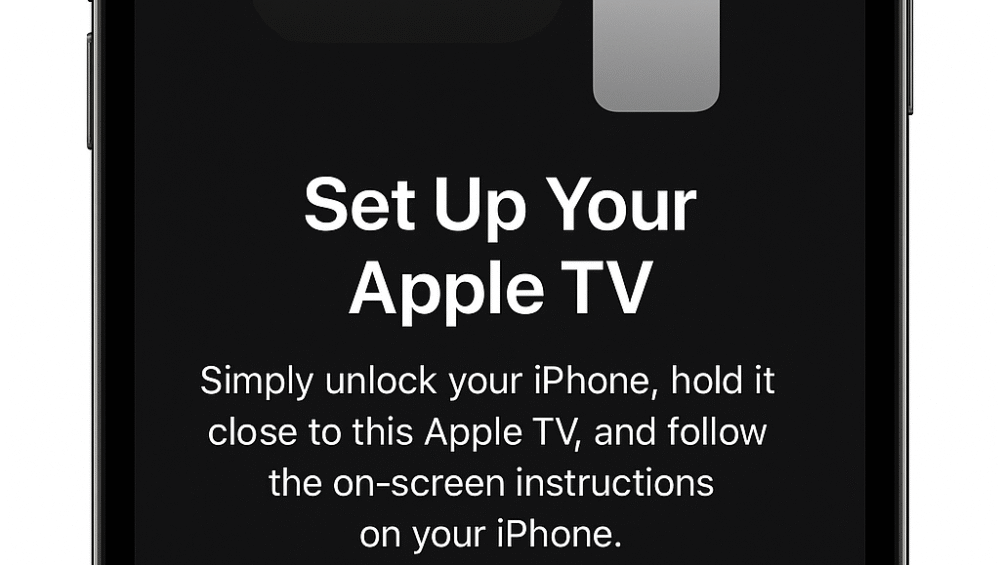
Effortless Setup: Use your iPhone to automatically sign in and configure your Apple TV during setup.
Shared Audio: Connect two pairs of AirPods simultaneously for private listening sessions without disturbing others.
iOS Control Center Integration: Manage playback, volume, and inputs directly from your iPhone’s Control Center—no remote needed.
Cross-Device Continuity: Resume Apple Arcade games or Fitness+ sessions seamlessly across your devices.
Roku Ultra – Basic Connectivity Options:
Supports screen mirroring and app-based remote control via the Roku mobile app.
Works across Android and iOS, but lacks the deep device synchronization and continuity found in Apple’s ecosystem.
In short, if you value fluid device coordination and hands-free convenience, Apple TV 4K offers a level of integration that Roku Ultra simply can’t match. For users embedded in the Apple ecosystem, this makes all the difference.

Apple TV 4K vs Roku Ultra: Which One Should You Choose?
Both devices excel in their own ways, but your ideal choice in the Apple TV 4K vs Roku Ultra debate depends on what you value most—ecosystem depth or simplicity and savings.
Choose Apple TV 4K if:
You already use iPhone, iPad, HomePod, or other Apple devices and want seamless integration.
You need full HomeKit, Matter, and Thread support for advanced smart home automation.
You appreciate premium streaming quality, Dolby Atmos audio, and private listening with AirPods.
Choose Roku Ultra if:
You’d rather save around $30 and primarily stream major apps like Netflix, Disney+, or Hulu.
You prefer Alexa or Google Home for smart home control instead of Siri.
You want a simple, ad-supported interface that’s fast, reliable, and easy to use.
In the end, Apple TV 4K is the better choice for Apple ecosystem users and smart home enthusiasts, while Roku Ultra remains a fantastic budget-friendly option for those who just want effortless streaming.