
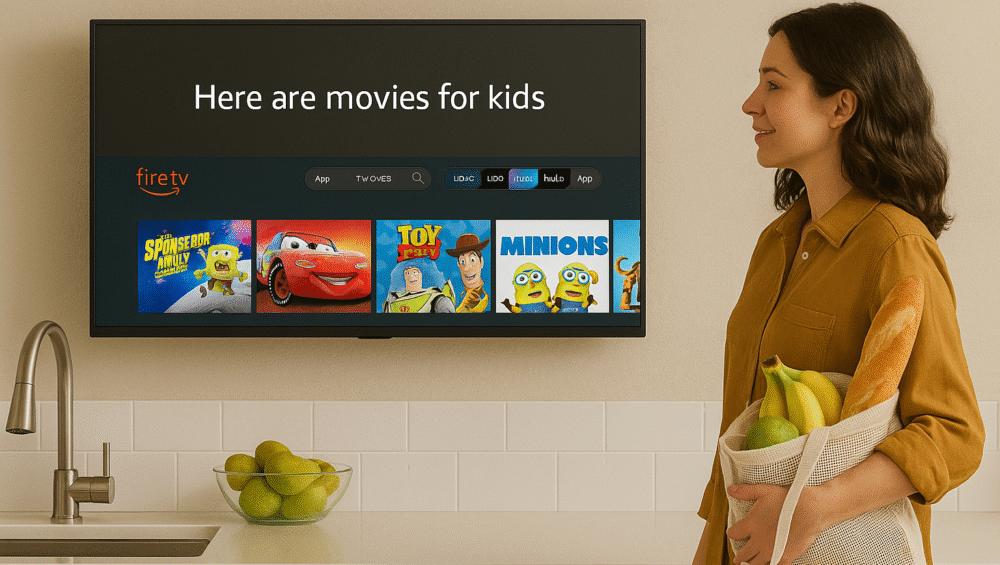
When comparing premium smart TVs in 2025, Samsung Neo QLED vs Fire TV Omni stands out as one of the most exciting matchups for Alexa-powered entertainment. Both models deliver brilliant 4K visuals and advanced smart home integration, but they cater to different priorities. Samsung Neo QLED excels with Mini LED brightness, rich contrast, and cinematic accuracy, while Fire TV Omni QLED shines with built-in Alexa voice control, smart routines, and hands-free operation.
However, the right choice depends on what you value most — performance or convenience. The Samsung Neo QLED is ideal for users seeking elite picture quality and next-gen gaming support, whereas the Fire TV Omni QLED offers the best native Alexa experience with effortless setup and integration. In short, both TVs redefine what a smart display can do — one focuses on visual mastery, the other on voice-first simplicity.
Feature Comparison at a Glance: Samsung Neo QLED vs Fire TV Omni
| Feature | Fire TV Omni QLED | Samsung Neo QLED (QN90C) |
|---|---|---|
| Alexa Built-In | ✅ Hands-Free Control | ✅ Remote-Triggered Only |
| Smart Home Hub UI | ✅ Native Fire TV Dashboard | ❌ Requires SmartThings App |
| Voice Control | Fully Integrated Alexa | Alexa as Third-Party Assistant |
| Native Routine Support | ✅ Yes — Built-In Alexa Routines | ⚠️ Limited Routine Integration |
| Operating System (OS) | Fire TV OS | Tizen OS |
| Price Range (50”) | ~$499 (Value-Focused) | ~$1,299 (Premium Tier) |
✅ Verdict: The Fire TV Omni QLED wins for native Alexa functionality and affordability, while the Samsung Neo QLED takes the lead in brightness and cinematic performance.
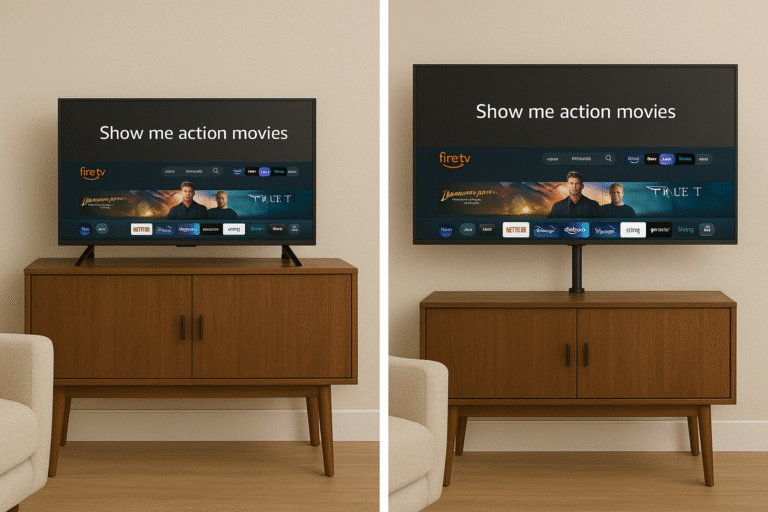
Voice Assistant Setup and Ease of Use:
Fire TV Omni QLED
Built-in far-field microphones enable true hands-free Alexa control — no remote needed.
Setup is effortless, requiring only a quick sign-in to your Amazon account.
Works instantly with Alexa routines, allowing full automation out of the box.
Doubles as a smart home hub, managing compatible lights, plugs, and thermostats directly.
Samsung Neo QLED
Alexa activation runs through the Samsung Smart Hub, not natively integrated.
Voice control depends on a mic-enabled remote or an external Alexa device.
Lacks direct routine triggering, unless paired with an Echo or third-party bridge.
✅ Winner for Voice Simplicity: Fire TV Omni QLED — ideal for renters, seniors, and anyone who values effortless, hands-free Alexa control.
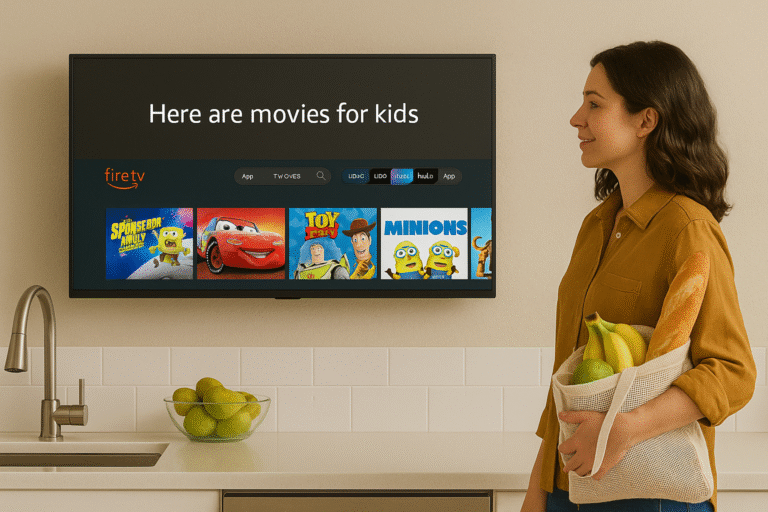
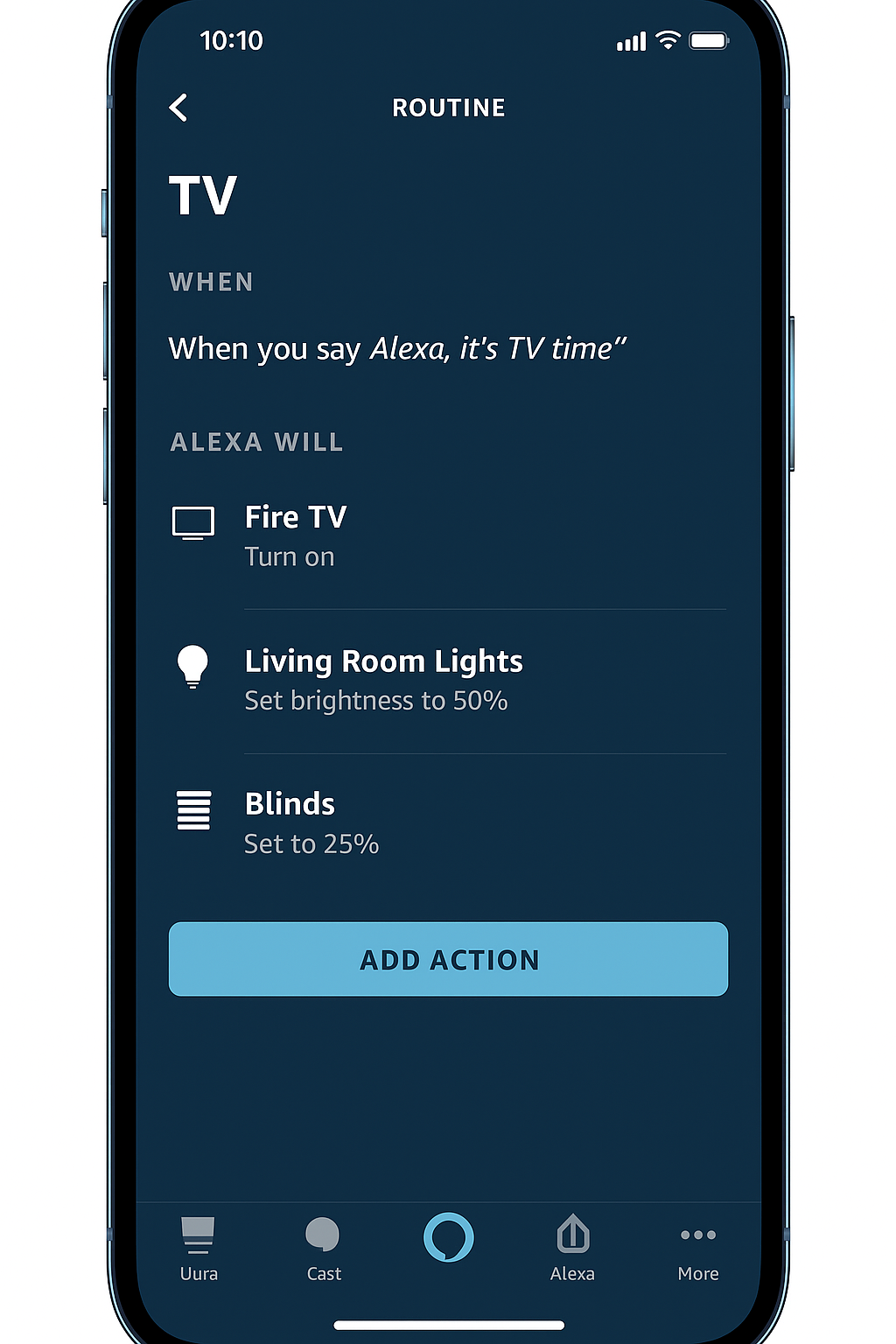
Alexa Routines and Smart Home Scenarios
Only the Fire TV Omni QLED allows:
Direct linking with Alexa routines — for example, “Alexa, movie night” instantly powers on the TV, dims lights, and adjusts sound settings.
The TV itself can trigger other Alexa-enabled devices like smart lights, soundbars, and thermostats, creating a fully automated home scene.
Samsung’s Neo QLED Series:
Requires SmartThings as a bridge for any routine control or device coordination.
Involves extra setup steps and offers limited compatibility for native Alexa routines.
✅ Routine Control Winner: Fire TV Omni QLED — the only TV in this comparison that delivers seamless, hub-free Alexa routine automation.
Smart Ecosystem & Content Experience: Samsung Neo QLED vs Fire TV Omni
| Category | Fire TV Omni QLED | Samsung Neo QLED |
|---|---|---|
| Content App Ecosystem | Fire OS with built-in access to Prime Video, Netflix, Disney+, HBO, and YouTube | Tizen OS offers a similar app range with a slightly more refined interface |
| Smart Assistant Use | Deep Alexa OS integration for hands-free commands and routines | Supports Alexa, Bixby, and Google Assistant — ideal for multi-platform homes |
| Content Recommendations | Alexa-personalized suggestions based on your viewing habits and routines | Samsung AI-curated recommendations with adaptive learning features |
✅ Winner for Alexa Ecosystem Users: Fire TV Omni QLED — perfect for Alexa-first households, while Samsung Neo QLED remains a strong choice for users invested in SmartThings or Bixby ecosystems.
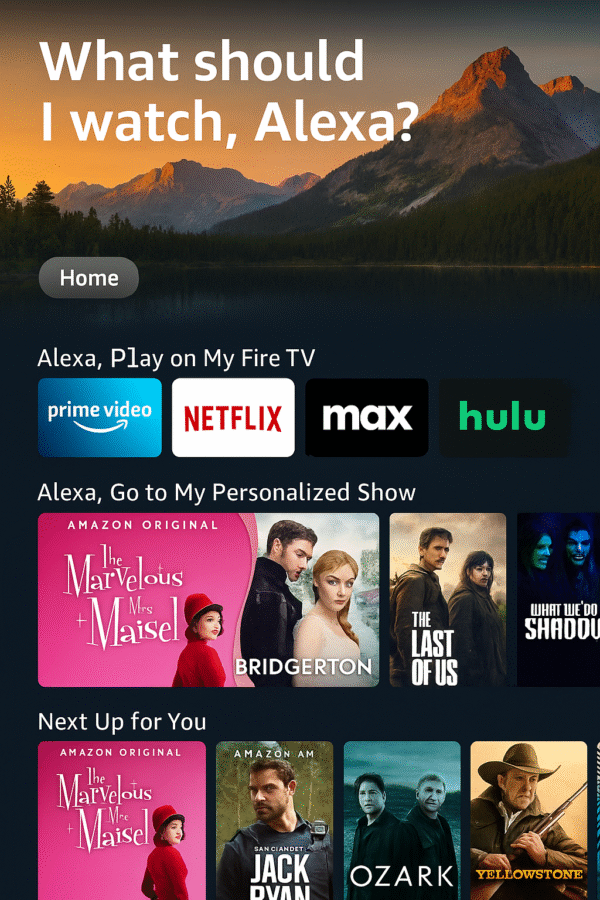
Display and Picture Performance
When comparing Samsung Neo QLED vs Fire TV Omni, the difference in picture quality becomes immediately clear.
Samsung Neo QLED
With its Mini-LED backlighting, this model delivers deeper blacks and superior brightness, especially noticeable in daylit rooms or open spaces. The Neo Quantum HDR+ processor enhances contrast and color depth, while wide viewing angles ensure consistent picture performance from any seat in the room.
Fire TV Omni QLED
Meanwhile, the Fire TV Omni QLED offers full-array local dimming and Dolby Vision IQ, making it ideal for dimly lit apartments and cozy movie nights. While it doesn’t reach the same brightness levels as Samsung’s Mini-LED panel, it provides excellent color balance and cinematic tone mapping for the price.
✅ Picture Quality Winner: Samsung Neo QLED — it delivers brighter highlights, richer contrast, and more dynamic visuals, making it the clear leader for home theater enthusiasts.
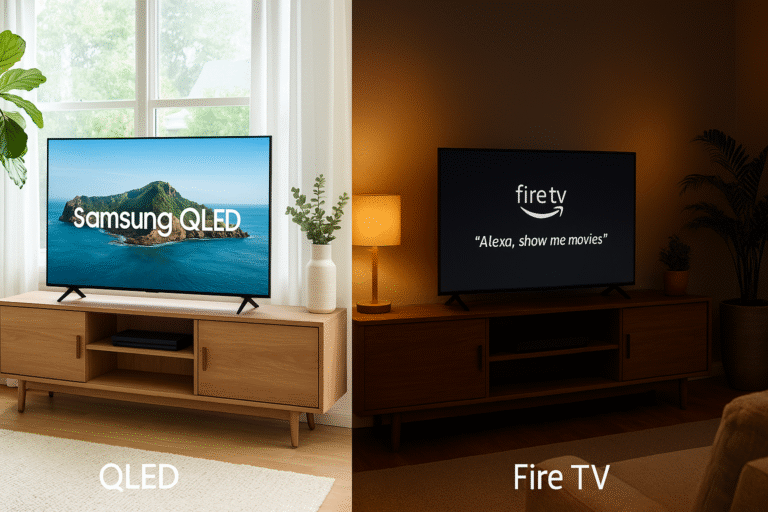
Which TV Fits Your Lifestyle? (Samsung Neo QLED vs Fire TV Omni)
| User Type | Go With… | Why? |
|---|---|---|
| Smart Home Beginner | Fire TV Omni QLED | Effortless setup, native Alexa integration, and ready-to-use routines make it perfect for first-time smart home users. |
| Samsung Appliance Owner | Samsung Neo QLED | Seamlessly integrates with SmartThings and enables multi-device synchronization across Samsung’s ecosystem. |
| Voice Control Priority | Fire TV Omni QLED | Offers true hands-free Alexa control and built-in routine automation for smooth, remote-free operation. |
| Picture Quality Purist | Samsung Neo QLED | Delivers Mini-LED brilliance, Neo Quantum HDR+, and stunning contrast for cinematic viewing. |
✅ Final Insight: If you value voice simplicity and Alexa routines, choose the Fire TV Omni QLED. But if brightness, HDR precision, and visual performance are your top priorities, the Samsung Neo QLED is worth the investment.
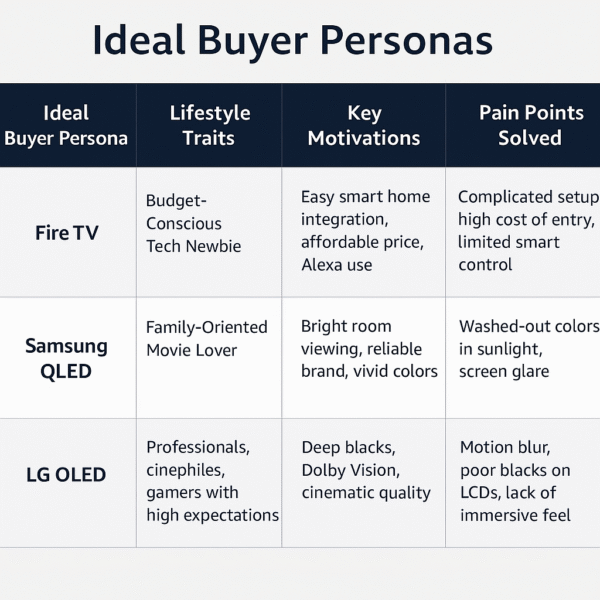
Final Verdict: Which QLED Is Better for Alexa?
When comparing Samsung Neo QLED vs Fire TV Omni, it’s clear that each caters to a different kind of smart home user.
If you’re looking for a TV that effortlessly integrates into an Alexa-powered home, the Fire TV Omni QLED wins hands down. It offers hands-free voice control, built-in Alexa routines, and smart home automation — all at an affordable price point. This makes it perfect for apartment living, renters, and budget-conscious tech enthusiasts who want simplicity and convenience.
On the other hand, Samsung’s Neo QLED remains a visual powerhouse, ideal for users already invested in the SmartThings ecosystem. While its Mini-LED brilliance and HDR performance are exceptional, it still falls short on seamless Alexa routine control and true voice-first interaction.
✅ Final Verdict: For Alexa lovers, hands-free users, and smart home builders, the Fire TV Omni QLED (43” or 50”) is the QLED of choice in 2025 — balancing performance, intelligence, and affordability like no other.