
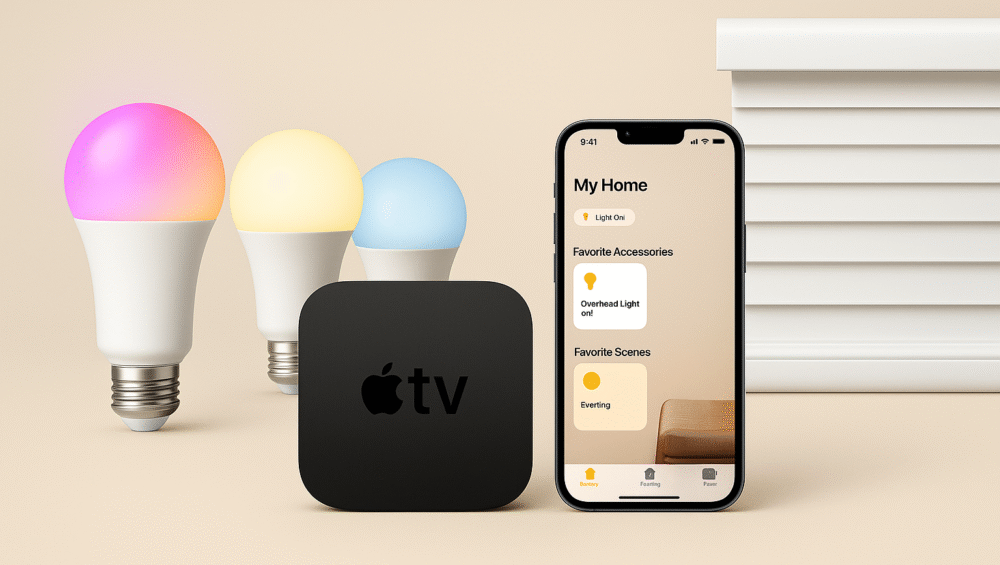
Looking to automate your streaming setup or expand your Apple ecosystem? Whether you’re new or experienced, this guide explains how to connect your streaming device to HomeKit. With clear steps and simple automation tips, you’ll learn how to link Apple TV and compatible smart TVs to the Apple Home app for a smoother, smarter entertainment experience.
Why Add Streaming Devices to Apple Home?
When you connect streaming device to HomeKit, you unlock a new level of convenience and automation across your smart home.
Voice Control with Siri: Enjoy hands-free operation of your smart devices simply by saying, “Hey Siri, turn on Movie Mode.”
Remote Access Anywhere: Use the Home app to manage all your connected devices, even when you’re away from home.
Automated Scenes: Create personalized routines like “Movie Mode” or “Game Night” that instantly adjust lights, TV, and sound.
Unified Home Control: Manage your lights, blinds, thermostat, and TV together for a truly seamless and connected experience.
💡 By linking your entertainment system to Apple’s ecosystem, you turn everyday viewing into an integrated, voice-controlled smart home event.
What You Need Before You Connect Streaming Device to HomeKit
Before you connect streaming device to HomeKit, it’s important to have the right setup to ensure a smooth and reliable experience.
Apple TV 4K (2nd Gen or Later): Or a HomeKit-compatible smart TV that supports Siri and Home app integration.
Updated iPhone or iPad: Make sure your device runs the latest iOS or iPadOS version for full compatibility.
Apple Home App Installed: You’ll need the Home app properly set up to add and manage HomeKit accessories.
Stable Wi-Fi Network: Ensure your Wi-Fi connection is strong and consistent to prevent pairing or automation issues.
(Optional) HomeKit Hub: A HomePod mini or Apple TV can act as a hub for automation and remote control features.
💡 Having these essentials ready makes connecting your streaming device to HomeKit faster, simpler, and far more reliable.
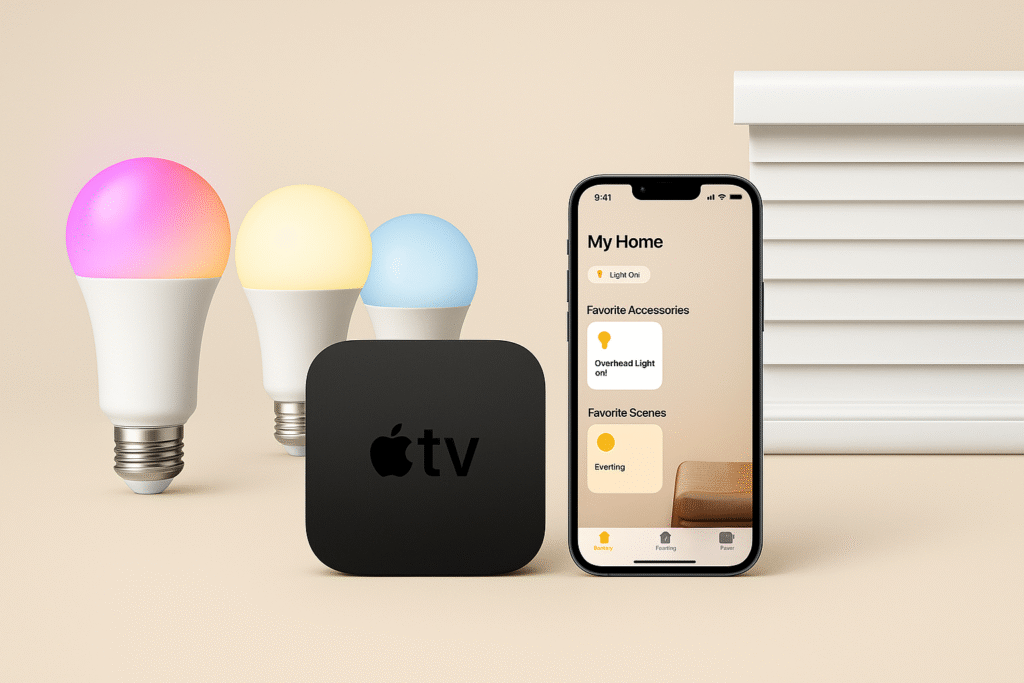
How to Connect Streaming Device to HomeKit
To connect streaming device to HomeKit, follow these quick steps to ensure smooth setup and full smart home integration.
Plug In and Connect: Start by connecting your Apple TV to your television via HDMI, then power it on.
Join Wi-Fi Network: Next, connect the device to your home Wi-Fi to enable seamless communication with HomeKit accessories.
Sign Into iCloud: Use your Apple ID, ideally the same one linked to your Home app, for synchronized access.
Enable “One Home” Option: When prompted, enable the One Home feature to unify all devices under the same smart home environment.
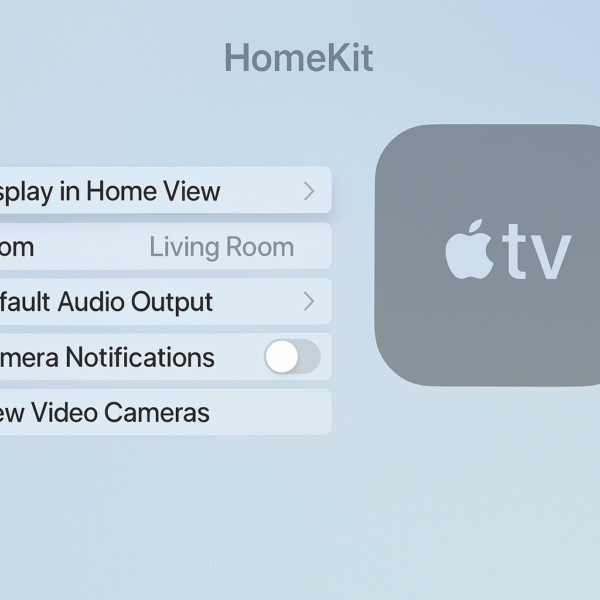
Activate HomeKit Support: Navigate to Settings → AirPlay and HomeKit, then toggle HomeKit on to start linking accessories.
Assign Room Location: Set the appropriate room name, such as Living Room or Bedroom, for better organization in the Home app.
Confirm Home Hub Setup: Finally, confirm your Apple TV is configured as a Home Hub, allowing automation and remote control.
💡 Following these steps ensures you successfully connect streaming device to HomeKit for unified, hands-free smart home control.
Once you successfully connect streaming device to HomeKit, you can verify the connection and start creating powerful automations.
Open the Home App: Launch the Home app on your iPhone or iPad to confirm your setup.
Check Hubs & Bridges: Under Home Settings → Hubs & Bridges, ensure your Apple TV appears as an active hub.
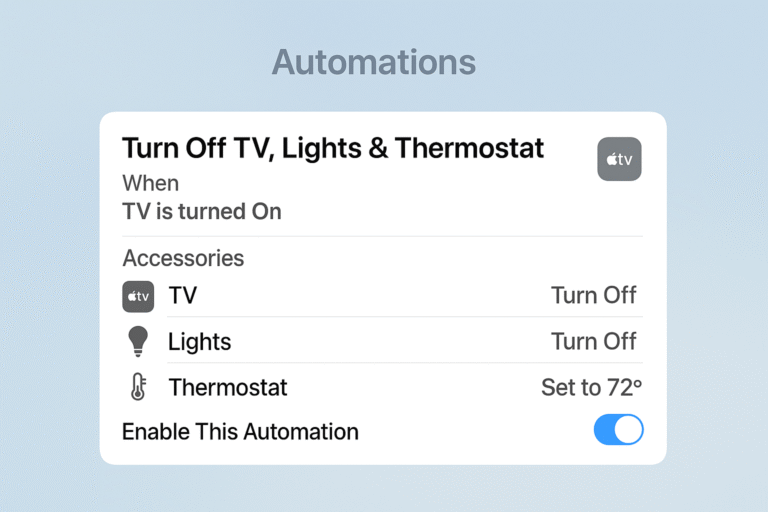
Create Automations: Tap the “+” icon and select Add Automation to begin setting up smart routines.
Example Automation: Choose a trigger like “When I arrive home”, then set actions such as turning on the TV and lights automatically.
💡 By verifying your setup and adding automations, you’ll fully unlock the power of HomeKit streaming device integration for daily convenience.
How to Connect Smart TVs with Siri Integration Using HomeKit
Many modern smart TVs with Siri integration — especially from LG, Sony, and Vizio — support Apple HomeKit right out of the box. This allows you to control your TV alongside lights, speakers, and other devices in your Apple ecosystem.
✅ Compatible TV Brands:
LG: OLED and QNED series with full HomeKit support
Sony: Bravia 2 and newer models
Vizio: SmartCast TVs with AirPlay 2 + HomeKit integration
⚙️ Setup Steps to Connect Streaming Device to HomeKit:
Check Compatibility: Ensure your TV supports HomeKit by verifying in the manual or settings menu.
Enable HomeKit: On your TV, go to Settings → Apple AirPlay & HomeKit.
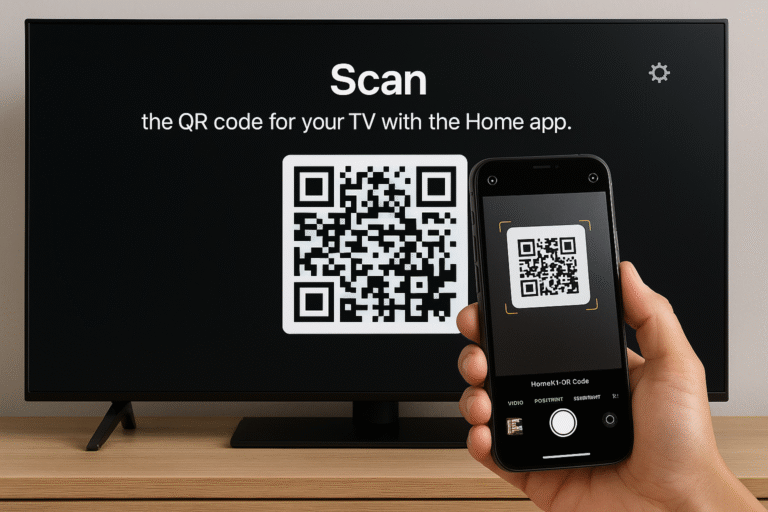
Scan the QR Code: Use your iPhone camera to scan the on-screen HomeKit pairing code.
Assign a Room: Choose a location like “Living Room” or “Bedroom TV” to organize your devices in the Home app.
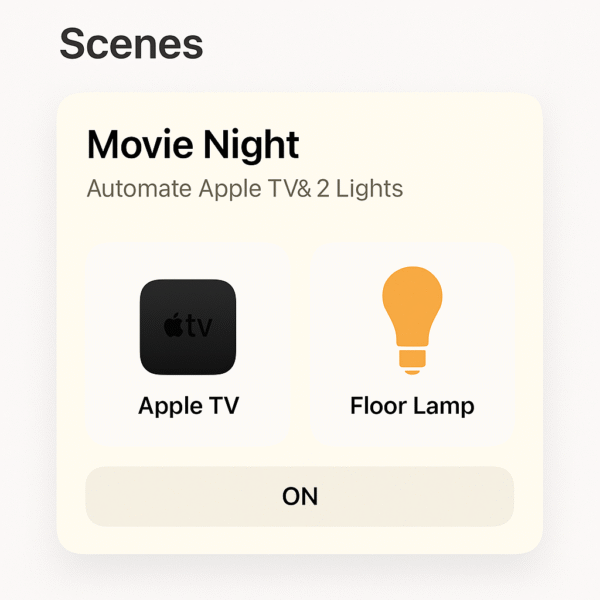
💡 Once set up, you can say “Hey Siri, turn on the TV” or include it in a “Movie Night” scene with lights and sound.
HomeKit Scene Ideas for Smart TVs with Siri Integration
Once your smart TV with Siri integration is connected to HomeKit, you can create personalized scenes that make everyday moments effortless and cinematic. Here are a few examples you can try:
🎥 “Movie Night” Scene: Automatically dim the lights, close the blinds, and power on the TV — all with a single Siri command.
🌅 “Good Morning” Routine: Set the TV to turn on with your favorite morning news channel as lights gradually brighten.
🌙 “Wind Down” Automation: Tell Siri to pause the TV, reduce screen brightness, and play a calming playlist to help you relax.
💡 These automations show how deeply HomeKit and Siri can integrate your TV into your smart home lifestyle — blending comfort, convenience, and control seamlessly.
Troubleshooting Smart TVs with Siri Integration via HomeKit
If your smart TV with Siri integration isn’t appearing or responding in the Home app, follow these simple fixes:
📺 TV Not Showing in Home App?
Ensure your TV and iPhone are signed in with the same iCloud account and running the latest iOS version.⚡ Automation Not Triggering?
Verify that your Apple TV or HomePod is configured as a Home Hub under Home Settings → Hubs & Bridges.🔄 Can’t Add Device?
Restart both your iPhone and Apple TV, then retry the pairing process using the on-screen HomeKit QR code.
💡 These quick checks resolve most issues with HomeKit smart TV pairing, keeping your Siri-connected entertainment system running smoothly.
Privacy & Security in Smart TVs with Siri Integration
Apple ensures that every action within smart TVs with Siri integration remains private and secure. Here’s how your data stays protected:
🧩 End-to-End Encryption:
All commands, automations, and device data transmitted through HomeKit are fully encrypted, even between your iPhone and TV.🚫 No Data Sharing:
Apple never shares your automation data or viewing habits with third parties — keeping your smart home activity completely private.🔐 Biometric Security:
Use Face ID or Touch ID for safe, verified control of your smart home — ensuring only authorized users can make changes.
💡 With these safeguards, HomeKit makes Siri-integrated smart TVs both convenient and trustworthy for privacy-minded users.
Seamless Control with Smart TVs and HomeKit
Adding Apple TV or HomeKit-compatible smart TVs to the Apple Home app instantly transforms your living room into a responsive, voice-controlled entertainment hub. With this setup, automation becomes effortless, and your TV evolves into a central part of your connected home.
Whether you’re creating your first Siri-controlled routine or syncing with a whole-home automation system, Apple’s ecosystem ensures a smooth, unified experience. Thanks to Siri voice commands, secure HomeKit integration, and intuitive scene creation, smart TVs with Siri integration bring simplicity and intelligence to every interaction in 2025.