This Yamaha RX-V6A vs Denon AVR-S970H comparison takes an in-depth look at two of the most popular mid-range AV receivers in 2025. By examining their sound quality, smart home features, gaming performance, and overall setup experience, this guide helps you decide which model best fits your home entertainment or smart audio needs.
Quick Comparison Table
Here’s a detailed feature comparison between the Yamaha RX-V6A vs Denon AVR-S970H, showing how both receivers perform across key specs and smart capabilities:
| Feature | Yamaha RX-V6A | Denon AVR-S970H |
|---|---|---|
| Channels | 7.2 | 7.2 |
| HDMI 2.1 Ports | 7 in / 1 out | 6 in / 2 out |
| Dolby Atmos / DTS:X | ✅ Yes | ✅ Yes |
| 8K / 4K120Hz Support | ✅ Full HDMI 2.1 | ✅ Full HDMI 2.1 |
| Smart Assistant Compatibility | Alexa, Google, AirPlay 2 | Alexa, Google, Siri |
| Streaming Platform | MusicCast | HEOS |
| Calibration System | YPAO | Audyssey MultEQ |
In summary, the Yamaha RX-V6A offers more HDMI inputs and integrates smoothly with MusicCast, while the Denon AVR-S970H provides dual HDMI outputs and benefits from Audyssey MultEQ calibration for fine-tuned room acoustics. Both are excellent choices, but their strengths cater to slightly different user needs—Yamaha for multi-device setups, and Denon for advanced room optimization.
Sound Quality Comparison – Yamaha RX-V6A vs Denon AVR-S970H
When it comes to audio character, both receivers deliver exceptional sound, but their tuning philosophies differ noticeably. By understanding these nuances, you can choose the one that best matches your listening preferences.
Yamaha RX-V6A:
Produces clear mids and crisp highs, ideal for detailed movie soundtracks and dialogue.
Delivers a slightly more cinematic and expansive soundstage, perfect for home theater setups.
Features Cinema DSP 3D technology, creating a virtual surround experience even without rear speakers.
Denon AVR-S970H:
Offers a warm and neutral tone that’s well-balanced for both music and movies.
Provides a tighter, more controlled bass response that adds depth without overpowering mids.
Uses Audyssey MultEQ optimization for precise acoustic calibration, ensuring consistent sound in any room layout.
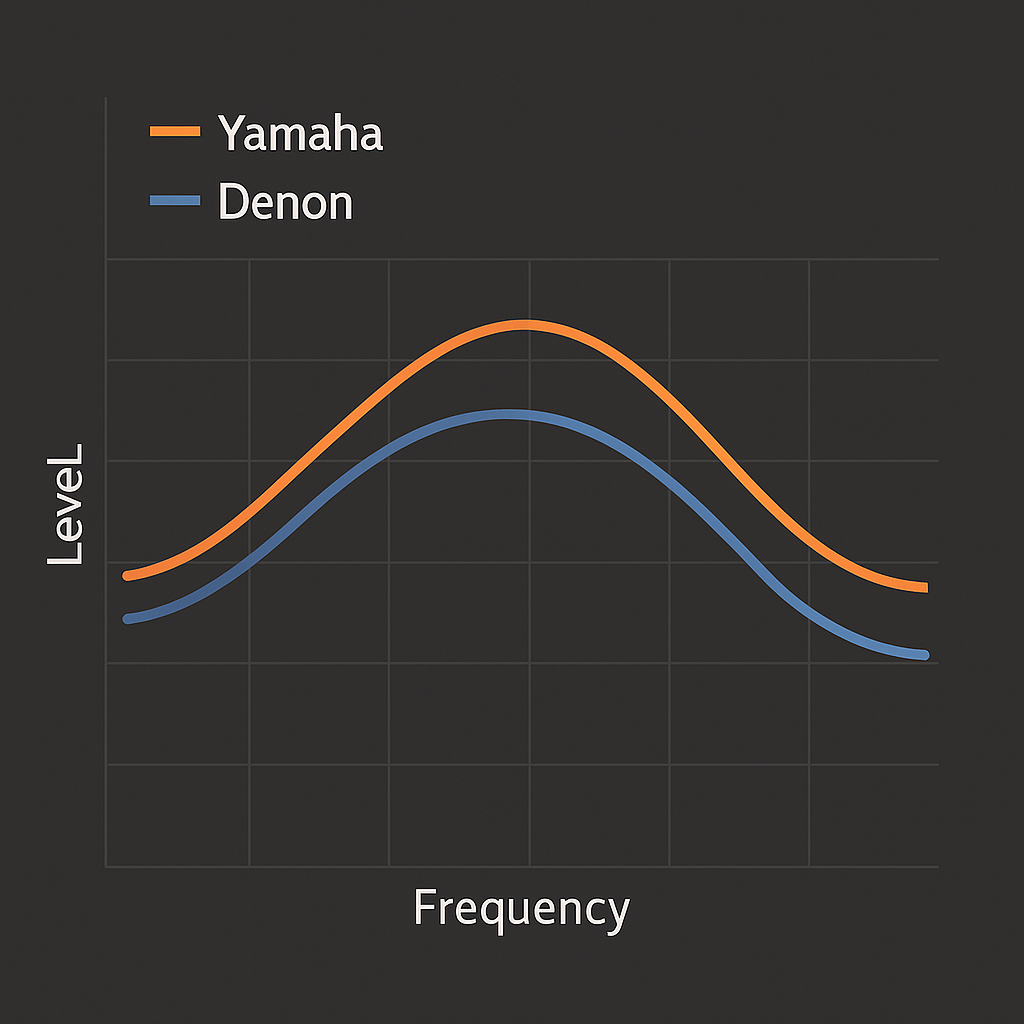
In essence, the Yamaha RX-V6A leans toward a more immersive, cinematic sound, while the Denon AVR-S970H focuses on natural balance and precision.
Gaming Performance – Yamaha RX-V6A vs Denon AVR-S970H
Both the Yamaha RX-V6A and Denon AVR-S970H are excellent choices for gamers, offering next-gen connectivity and ultra-smooth visuals. With full HDMI 2.1 support, each receiver delivers features designed to maximize performance across modern consoles and PCs.
4K @ 120Hz Support: Enjoy ultra-smooth, low-latency gameplay with crisp motion clarity.
VRR (Variable Refresh Rate): Eliminates screen tearing for seamless frame transitions during fast-paced action.
ALLM (Auto Low Latency Mode): Automatically switches the display to game mode when a console is detected.
eARC (Enhanced Audio Return Channel): Enables lossless audio passthrough, ensuring rich Dolby Atmos or DTS:X sound directly from your console.
In short, both receivers are gamer-ready, but the Yamaha RX-V6A edges ahead slightly in usability with its intuitive on-screen interface, while the Denon AVR-S970H excels in precise signal management and calibration.
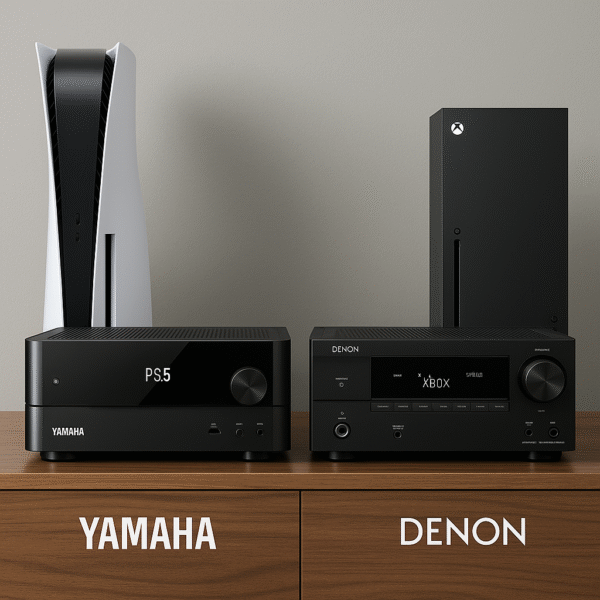
Smart Features: MusicCast vs HEOS
Both receivers offer strong smart home integration, but they rely on different ecosystems—Yamaha MusicCast for the RX-V6A and HEOS for the Denon AVR-S970H. By comparing their strengths, you can determine which platform better fits your connected home.
Yamaha MusicCast:
Works seamlessly with Alexa and Google Assistant for voice control.
Supports multi-room streaming, allowing synchronized playback across multiple Yamaha speakers.
Offers simple setup and full receiver control through the intuitive MusicCast app.
Denon HEOS:
Integrates natively with Denon and Marantz devices, ideal for multi-brand setups.
Excellent for creating wireless surround systems without running additional cables.
Compatible with more streaming platforms, including Tidal, Spotify, Pandora, and others.
Overall, the Yamaha RX-V6A with MusicCast offers a simpler, app-driven experience, while the Denon AVR-S970H and HEOS provide broader ecosystem flexibility and wider streaming options.
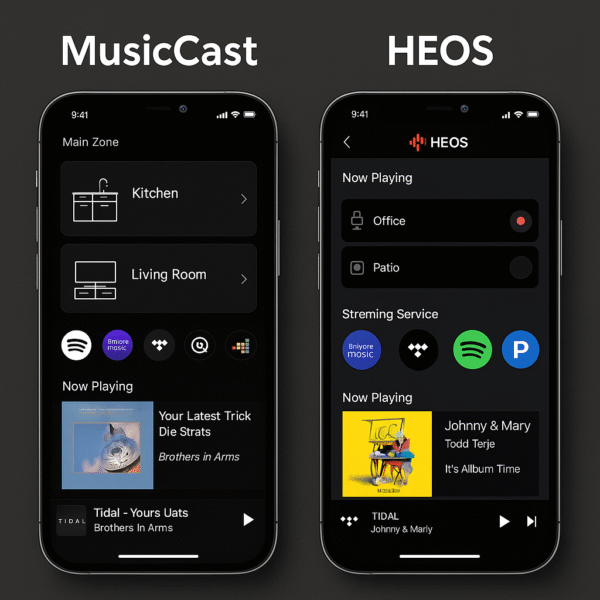
Setup & Calibration – Yamaha RX-V6A vs Denon AVR-S970H
When it comes to setup, both receivers offer room calibration systems that optimize sound based on your environment. However, they cater to different levels of user experience and customization.
Yamaha RX-V6A:
Features YPAO (Yamaha Parametric Acoustic Optimizer) for quick and accurate auto-calibration.
Extremely beginner-friendly, requiring minimal technical knowledge to achieve balanced sound.
Perfect for plug-and-play setups, making it ideal for casual users or first-time home theater builders.
Denon AVR-S970H:
Equipped with Audyssey MultEQ XT, a more advanced calibration system that measures multiple listening positions.
Offers detailed customization options, letting you fine-tune frequency response and speaker levels.
Best suited for experienced users or custom installations seeking precise control over their audio environment.
In short, the Yamaha RX-V6A prioritizes simplicity and convenience, while the Denon AVR-S970H provides professional-grade tuning for those who enjoy deeper system optimization.
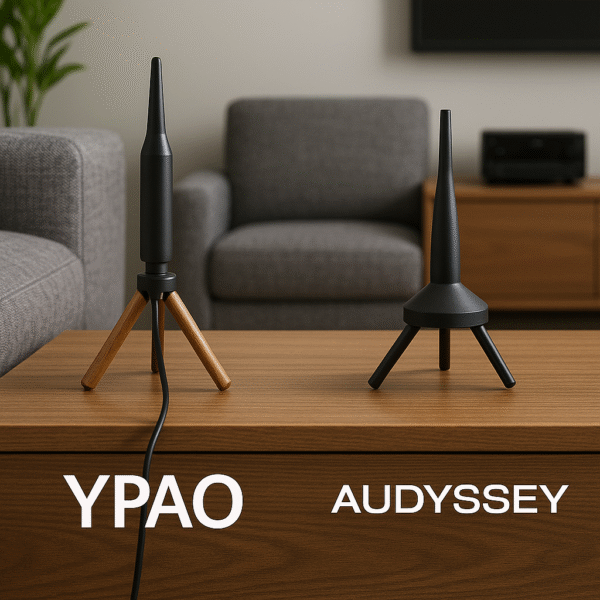
Design & Aesthetics – Yamaha RX-V6A vs Denon AVR-S970H
When comparing the visual appeal and usability of both receivers, each takes a distinct approach. While Yamaha aims for a modern, minimalist look, Denon focuses on practicality and familiarity.
Yamaha RX-V6A:
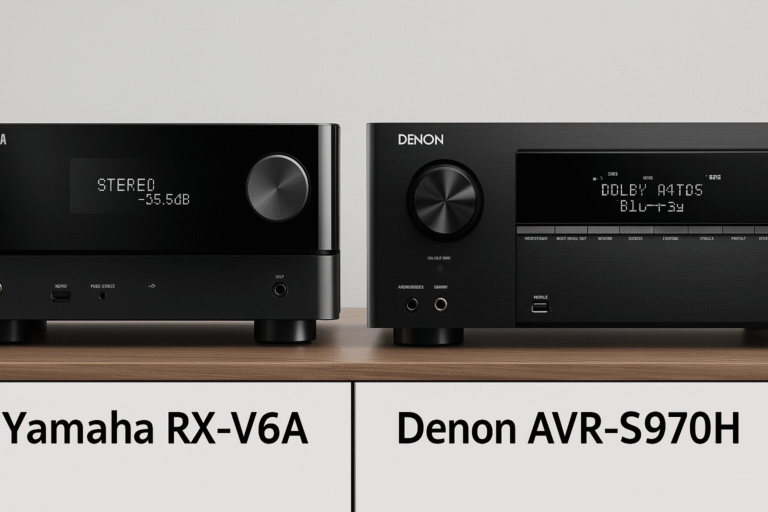
Features a sleek, modern design with a smooth glass-like front panel and a centrally positioned volume knob.
The aesthetic is clean and futuristic, making it a perfect match for contemporary home theater setups.
Minimal front clutter gives it a premium, high-end feel despite its mid-range price.
Denon AVR-S970H:
Adopts a more traditional AV receiver look, prioritizing functionality over flash.
Includes a highly intuitive and full-featured remote, offering direct access to all core functions.
The design may be conventional, but it ensures quick usability and familiarity for long-time AV users.
In summary, the Yamaha RX-V6A stands out for its modern styling and simplicity, while the Denon AVR-S970H wins on user ergonomics and control accessibility.
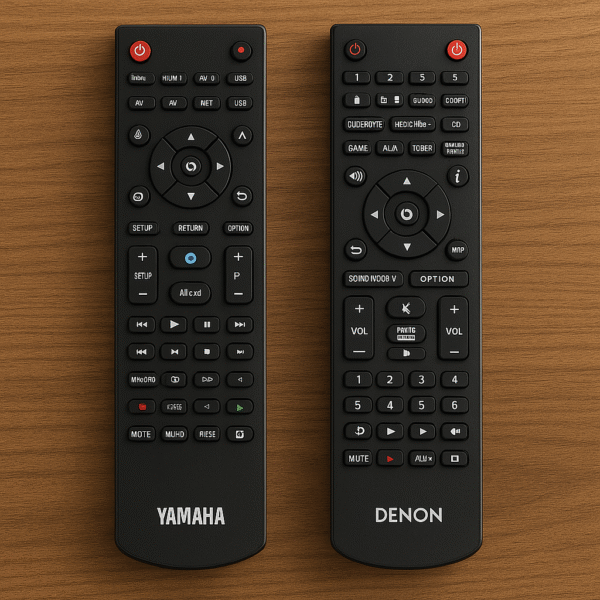
Pricing & Final Verdict – Yamaha RX-V6A vs Denon AVR-S970H
Both the Yamaha RX-V6A and Denon AVR-S970H sit comfortably in the $600–$800 price range, with variations depending on retailer promotions, bundles, or seasonal discounts. Ultimately, your choice will depend on your listening style and setup preferences.
Yamaha RX-V6A:
Best for: Users seeking cinematic sound, a sleek modern design, and easy plug-and-play operation.
Ideal for those who want premium performance with minimal setup complexity.
Denon AVR-S970H:
Best for: Listeners who value customization, a warm and balanced audio profile, and broader streaming platform compatibility.
Perfect for advanced users who enjoy fine-tuning and system optimization.
In conclusion, if you want an intuitive, stylish receiver that sounds great out of the box, go for the Yamaha RX-V6A. But if you prefer precision tuning and deeper ecosystem flexibility, the Denon AVR-S970H is the smarter long-term choice.
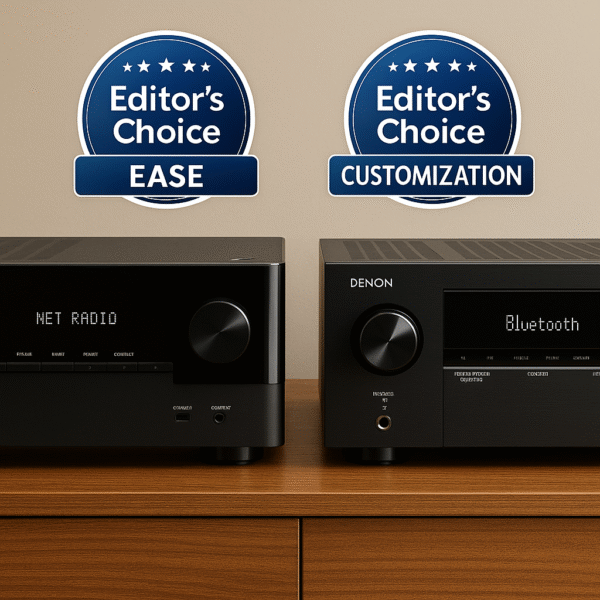
Final Verdict: Yamaha or Denon in 2025?
Choose the Yamaha RX-V6A if you value cinematic sound, simpler setup, and sleek smart home integration.
Choose the Denon AVR-S970H if you prefer audiophile-level calibration, advanced tuning options, and deeper streaming platform compatibility.
Both are excellent receivers—your decision should reflect your room setup, listening preferences, and ecosystem loyalty.